
三星半导体已于2020年实现海外业务场所100%采用可再生能源——2019年完成美国、中国等海外制造基地的转型,2020年则实现设备解决方案(DS)部门所有海外业务场所的全面转型。
三星半导体已于2020年实现海外业务场所100%采用可再生能源——2019年完成美国、
中国等海外制造基地的转型,2020年则实现设备解决方案(DS)部门所有海外业务场所的全面转型。
三星半导体已于2020年实现海外业务场所100%采用可再生能源——2019年完成美国、中国等海外制造基地的转型,2020年则实现设备解决方案(DS)部门所有海外业务场所的全面转型。

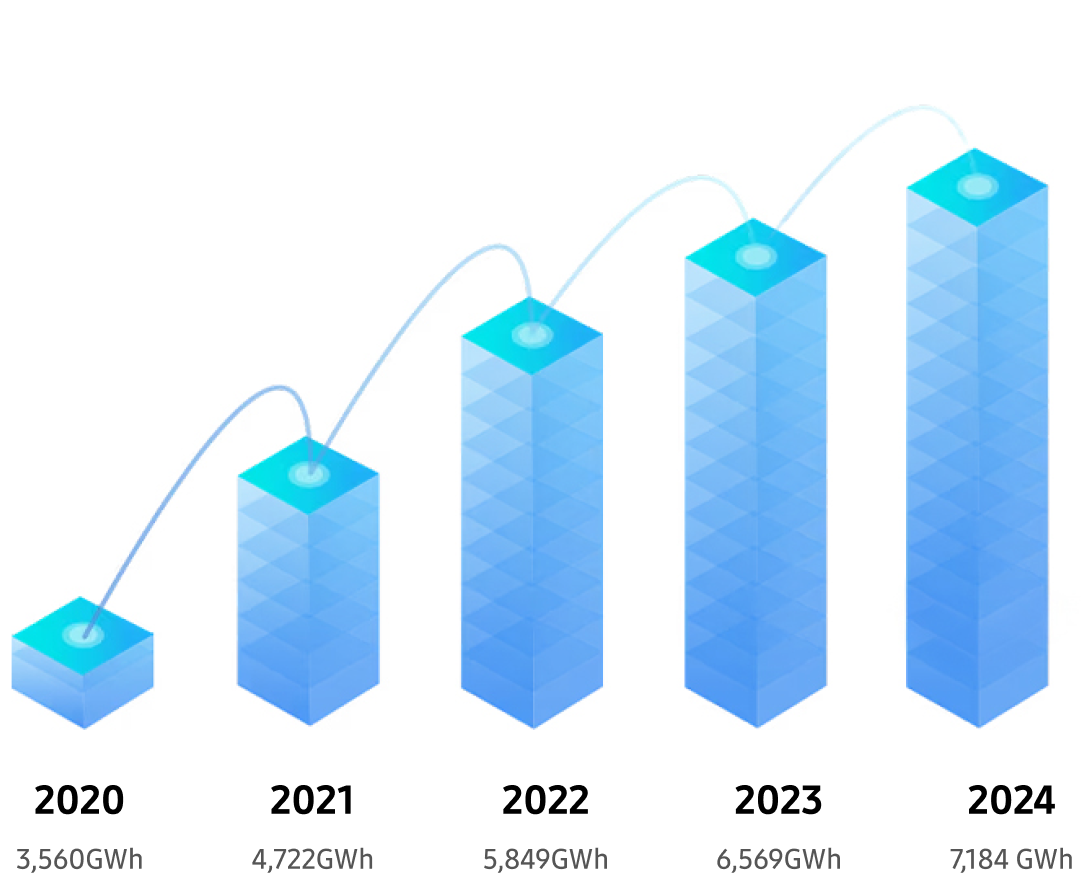
自2020年位于美国和中国的业务场所率先实现100%可再生能源供应起,我们计划通过签订新的购电协议,到2050年将可再生能源应用覆盖至全球所有业务场所,助力减少因电力使用产生的范围2排放。2024年6月,我们与Hanmaeum Energy签订了一份为期20年、规模115兆瓦的太阳能购电协议,并与韩国水资源公社签订了一份为期10年、规模254兆瓦的潮汐电站购电协议,每年可稳定获取约620吉瓦时的可再生能源。
自2020年位于美国和中国的业务场所率先实现100%可再生能源供应起,我们计划通过签订新的购电协议,到2050年将可再生能源应用覆盖至全球所有业务场所,助力减少因电力使用产生的范围2排放。2024年6月,我们与Hanmaeum Energy签订了一份为期20年、规模115兆瓦的太阳能购电协议,并与韩国水资源公社签订了一份为期10年、规模254兆瓦的潮汐电站购电协议,每年可稳定获取约620吉瓦时的可再生能源。
自2020年位于美国和中国的业务场所率先实现100%可再生能源供应起,我们计划通过签订新的购电协议,到2050年将可再生能源应用覆盖至全球所有业务场所,助力减少因电力使用产生的范围2排放。2024年6月,我们与Hanmaeum Energy签订了一份为期20年、规模115兆瓦的太阳能购电协议,并与韩国水资源公社签订了一份为期10年、规模254兆瓦的潮汐电站购电协议,每年可稳定获取约620吉瓦时的可再生能源。
三星半导体已于2020年实现海外业务场所100%采用可再生能源——2019年完成美国、中国等海外制造基地的转型,2020年则实现设备解决方案(DS)部门所有海外业务场所的全面转型。
三星半导体已于2020年实现海外业务场所100%采用可再生能源——2019年完成美国、中国等海外制造基地的转型,2020年则实现设备解决方案(DS)部门所有海外业务场所的全面转型。
三星半导体已于2020年实现海外业务场所100%采用可再生能源——2019年完成美国、中国等海外制造基地的转型,2020年则实现设备解决方案(DS)部门所有海外业务场所的全面转型。

现在,让我们来了解一下我们在韩国为应对气候变化所采取的行动。就像我们研发的半导体一样,每个人都能为保护地球、创造可持续未来贡献力量。
现在,让我们来了解一下我们在韩国为应对气候变化所采取的行动。就像我们研发的半导体一样,每个人都能为保护地球、创造可持续未来贡献力量。
现在,让我们来了解一下我们在韩国为应对气候变化所采取的行动。就像我们研发的半导体一样,每个人都能为保护地球、创造可持续未来贡献力量。
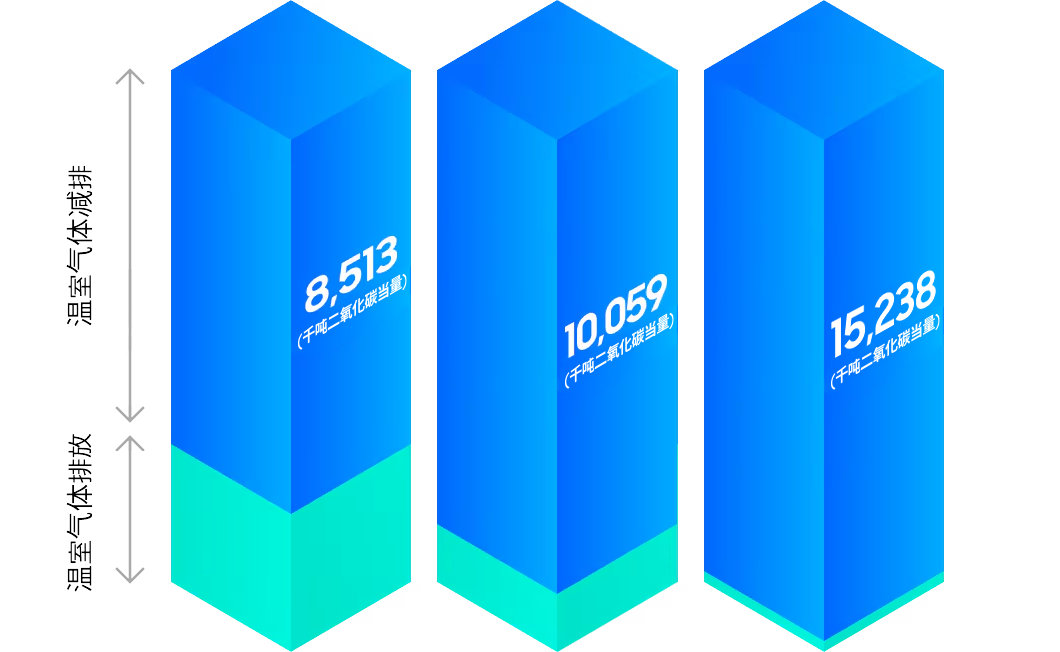
2022
2023
2024
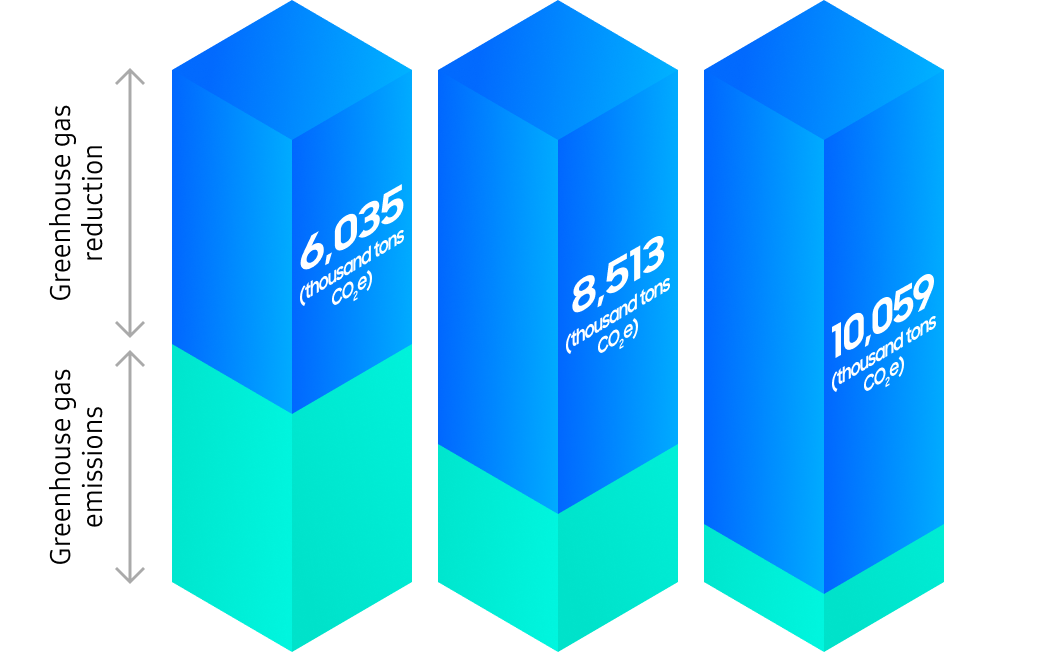
这一成果是通过多项举措实现的,例如研发碳减排创新技术、构建多元化组合以保障可再生能源供应等。三星半导体将持续降低半导体制造过程中的能耗,为减少温室气体排放贡献力量。
这一成果是通过多项举措实现的,例如研发碳减排创新技术、构建多元化组合以保障可再生能源供应等。三星半导体将持续降低半导体制造过程中的能耗,为减少温室气体排放贡献力量。
这一成果是通过多项举措实现的,例如研发碳减排创新技术、构建多元化组合以保障可再生能源供应等。三星半导体将持续降低半导体制造过程中的能耗,为减少温室气体排放贡献力量。
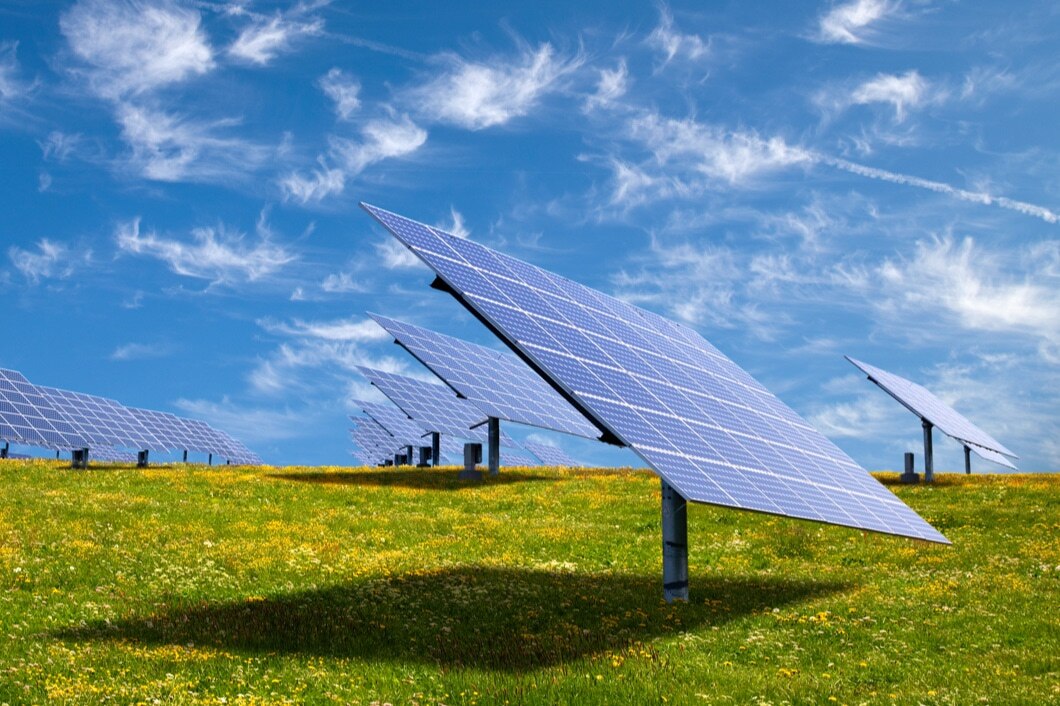
韩国政府的可再生能源推广计划始于一项承诺:“到2030年,21.6%的电力将来自可再生能源”。
韩国政府的可再生能源推广计划始于一项承诺:“到2030年,21.6%的电力将来自可再生能源”。
韩国政府的可再生能源推广计划始于一项承诺:“到2030年,21.6%的电力将来自可再生能源”。
To increase the use of renewable energy, Samsung Semiconductor installed a total of 2.8 MW of solar power generation facilities in its domestic sites as of 2023, including 1.5 MW at Giheung site and 0.7 MW at Pyeongtaek site. In 2023, it produced about 2.8 GWh and used it within the site. In the future, we plan to add more than 1 MW of solar power generation facilities to P3 and P4 of the Pyeongtaek site.
Samsung Semiconductor is actively expanding its solar power generation facilities and replacing a lot of its electricity usage with solar power. Comparing the 2.8 GWh of electricity used in 2023 to the average electricity consumption per household in South Korea, considering that 1 MWh can supply about 2,000 households for one hour, 2.8 GWh (2,800 MWh) is equivalent to the amount of electricity that can be supplied to about 5.6 million households in one hour.

Our largest solar power plant with a single phase inverter is on top of the K1 parking garage at our Giheung site and measures a massive 18,919m². That’s 2.3x larger than a football (soccer) field. It generates about 1,900MWh, which is enough energy to power 470 households for one year.
Building the largest solar plant gave us the chance to think about how
to promote
eco-friendly behavior and
participation in green activities, and we
especially wanted to promote this discussion among clients and
employees. So we installed a large LED screen at two garage entrances to
show how much solar power is generated in real time, using this as a
platform to show how green our sites are.
And of course,
we replaced
the LED
power with solar power generated from the
plants in our parking garages.
Heat absorbed indoors
Heat dissipation
to the ground
Cooling occurs
Heat absorbed
indoors
Rock bed
Heat pump
Heat dissipated
to ground
The system works by storing solar energy underneath the Earth’s surface, which is later used to heat and cool. In the summer, the geothermal system absorbs indoor heat and moves it underground to cool, and in the winter it absorbs heat from the ground and moves it indoors to heat — ultimately saving energy.
Heat absorbed
from the ground
Heat dissipation indoors
Heating occurs
Heat
dissipated
indoors
Rock bed
Heat pump
Heat absorbed
from ground
Hwaseong’s geothermal heat pump system not only requires little upkeep, but is also built to last and minimizes greenhouse gases, waste and exhaust gas. It even eliminates noise and vibrations from the cooling tower, making Hwaseong’s working environment even more enjoyable. With this, we will continue expanding the use of renewable energy while reducing our environmental impact.

 中国
中国